
How to Set Up Your First Freshwater Aquarium
From choosing the right tank size to the nitrogen cycle — a structured walkthrough for complete beginners.
Read guideFreshwater Aquarium Keeping
Detailed, practical information on tank setup, water parameters, fish compatibility, and plant care — assembled for aquarium hobbyists at every level.
Core Topics
Three areas form the foundation of successful freshwater aquarium keeping. Each one is covered in depth.
Filter selection, lighting schedules, substrate types, and the cycling process explained step by step.
pH, general hardness, carbonate hardness, ammonia, nitrite, and nitrate — what each parameter means and how to control it.
Community tank planning, species profiles, stocking density, and peaceful species combinations for beginners and experienced keepers.
Low-tech and high-tech planted tanks, CO₂ injection, fertilisation, and selecting plants by water parameter ranges.
Identifying common freshwater diseases, quarantine procedures, and preventive husbandry practices.
Weekly, monthly, and seasonal maintenance routines that keep water quality stable over the long term.
Articles
Each guide focuses on one specific area of freshwater aquarium keeping with concrete, actionable detail.
From choosing the right tank size to the nitrogen cycle — a structured walkthrough for complete beginners.
Read guide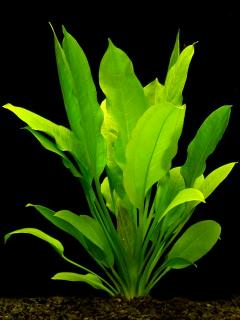
Understanding the invisible parameters that determine whether your fish thrive or merely survive.
Read guide
Which fish share water conditions, temperament, and territory requirements — and which combinations to avoid.
Read guideFish Highlights
A quick reference to four species frequently kept in freshwater aquariums at beginner and intermediate level.
One of the most recognised aquarium fish worldwide. Prefers soft, slightly acidic water at 22–26 °C, and does best in schools of at least eight. A staple of community tanks.

A tall-bodied cichlid that needs a tank at least 60 cm deep. Tolerates a wide pH range (6.0–7.5) and coexists with mid- and bottom-dwelling species that are too large to eat.
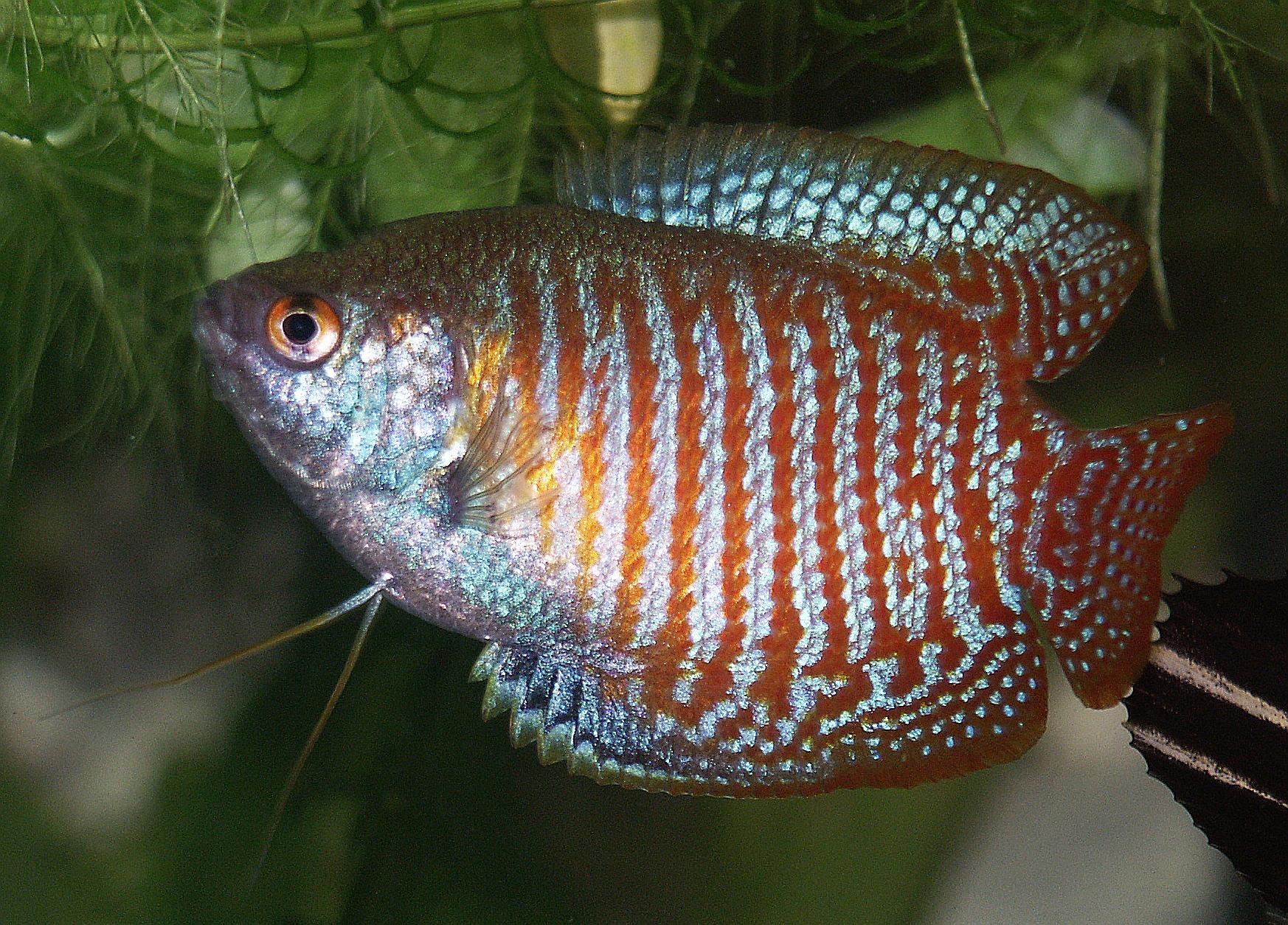
A labyrinth fish that breathes atmospheric air. Peaceful and colourful, well-suited to planted community tanks. Keep males separately or with larger schools of dither fish.

A robust bottom-dweller that sifts substrate for leftover food. Schooling species — keep at least six. Prefers smooth substrate to protect its barbels. Hardy and long-lived.
Questions about water parameters, species selection, or tank troubleshooting? Send a message and we will respond within two business days.